
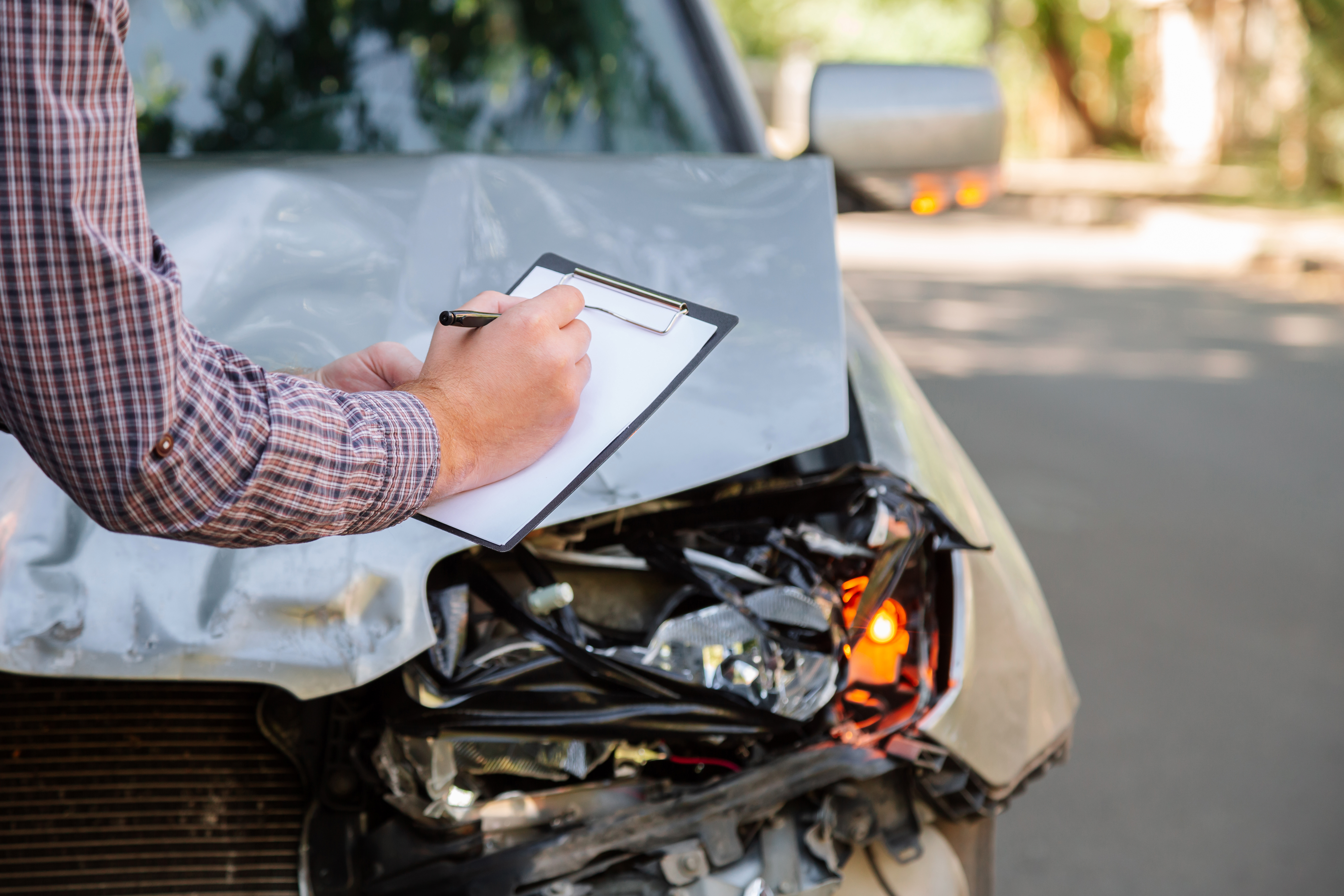
Employer Liability in Work-Related Car Crashes: Key Facts to Understand
When employees get behind the wheel as part of their job—whether they’re using a company-owned vehicle or driving their personal car—employers can often be held legally and financially responsible if an accident happens. This responsibility stems from the doctrine of respondeat superior, which essentially means an employer may be accountable for an employee’s actions performed within the scope of their work. If the crash occurs during tasks like making deliveries, traveling to client appointments, or running company errands, the employer may share liability. But when an employee is driving for purely personal reasons, engaging in misconduct, or simply commuting, that responsibility usually shifts away from the employer and onto the employee’s own insurance coverage.
Vehicle-related incidents are a significant source of workplace injuries and fatalities across the United States. Thousands of workers are hurt each year during job-related driving, and these injuries often lead to time away from work and long recovery periods. The causes aren’t much different from typical roadway risks—speeding, distraction, drowsiness, or poor vehicle upkeep—but work-related driving often introduces added pressures. Employees may face tight deadlines, navigate unfamiliar locations, or multitask while handling job duties. These factors increase the likelihood of accidents, underscoring why companies must prioritize safe driving practices and realistic workflow expectations.
Proper vehicle maintenance, training, and policy-setting play a crucial role in reducing collision risk. Employers should ensure that company vehicles are regularly inspected and repaired, provide routine safety training to employees who drive for work, and avoid creating workplace cultures that encourage rushed or unsafe driving behavior. When organizations set clear guidelines and maintain consistent safety standards, they help protect both their workforce and their business from preventable accidents.
If an employee is hurt in a vehicle crash while performing work duties, workers’ compensation typically comes into play. This no-fault system provides coverage for medical treatment, rehabilitation services, and a portion of lost wages, regardless of who caused the accident. However, workers' compensation does not include compensation for pain and suffering. In some situations, injured employees may be able to file additional claims against outside parties—such as negligent drivers, auto manufacturers, or others whose actions contributed to the incident. When employees use their own personal vehicles for work, workers’ comp still applies to their injuries, but their private auto insurance is responsible for covering any damage to the vehicle itself.
When a crash involves a company-owned car, employer responsibility depends largely on the employee’s behavior and purpose at the time. In most cases, companies carry insurance that covers injuries and property damage inflicted on third parties during work-related driving. However, employees may face personal legal or financial consequences if they were off duty, impaired, or violating organizational policies when the collision occurred. In scenarios where the employer failed to conduct proper driver vetting, provide necessary training, or maintain vehicles appropriately, liability can be shared between the company and the employee.
Examining blame or responsibility after a company vehicle accident involves looking at several key factors. Investigators typically consider the reason the employee was driving, whether they were acting within their job responsibilities, the employer’s safety policies, and the insurance coverage available. These elements help determine whether the employer, the employee, or both are responsible for the resulting damages.
For employers, understanding these distinctions is essential for managing risk and supporting their teams. Implementing clear driving policies, maintaining appropriate insurance, and encouraging safe driving habits can help reduce the likelihood of both accidents and legal complications. For workers, knowing their rights and responsibilities ensures they understand what protections apply if they are injured while driving on the job.
In the end, work-related vehicle accidents raise complex questions about liability, coverage, and legal obligation. By staying informed about these issues, both employers and employees can better navigate the challenges that arise after a crash and ensure that everyone receives the appropriate support and protection.